
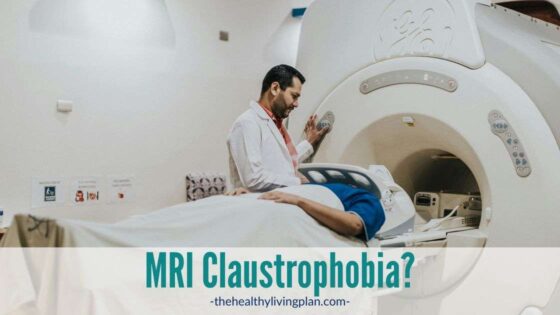
MRI Claustrophobia is Stressful and Limiting.
For many people, the thought of entering an MRI machine triggers more than mild discomfort—it causes full-blown panic. The narrow tunnel, the loud thumping noises, and the enforced stillness can evoke sensations of being trapped, helpless, or overwhelmed. Despite knowing the scan is important, some patients find themselves unable to go through with it—again and again.
Medical imaging professionals often see patients cancel, reschedule, or attempt scans multiple times before succeeding—if they ever do. And while traditional coping strategies like sedation or distraction can sometimes help, there’s growing interest in deeper, lasting solutions.
That’s why Mélanie Sarbach, a nurse and therapist trained in Logosynthesis®, shares her experience. She works in a medical imaging clinic, and her unique nurse-therapist background drew interest from colleagues curious about how she could help patients navigate the scan. With the support of the radiologist and entire team, she is asked to meet with anxious patients while they are waiting for their scheduled scan.
Calming Distressing Memories Quickly
Take Ms. R, for example—a 52-year-old woman who had already tried three times to have her MRI. Each time, panic set in before she even made it to the table. On her fourth attempt, she arrived again with her mother, both distressed. She feared she wouldn’t make it but knew the scan was necessary.
As she entered the unit, she became overwhelmed. In conversation, her mother mentioned that, as a child, Ms. R had attended her grandmother’s cremation. This memory kept surfacing each time she attempted the scan.
Using the Logosynthesis® Basic Procedure, Mélanie helped Ms. R shift the memory. Though still a little anxious, Ms. R was able to lie down and complete her MRI. She left in tears—this time of joy—and the entire team, including her mother, was stunned.
How Logosynthesis® Works in Medical Imaging
Mélanie observes that when the triggering moment is clear—like the feeling of being trapped or recalling a specific event—the shifts can happen quickly. Logosynthesis® involves identifying the mental image, memory, or belief that triggers distressing thoughts, emotions, and physical sensations. Then, through the energy of specific words, the energy held in that frozen experience is released.
She has seen remarkable results. Some of the memories her clients have processed include:
- A woman kidnapped and locked in a metal trunk while on a humanitarian mission.
- A childhood prank where a brother locked his sister in a car trunk.
- A near-suffocation experience with a pillow wielded by a hostile mother-in-law.
- A man who was trapped in a well at age 10 and experienced the earth caving in on him.
Sometimes, the memory is harder to access, or the issue is more complex. In such cases, no clear event comes to mind. A stronger therapeutic alliance and more time may be required—often beyond the 20–30 minutes available in a clinical setting. Yet even a short intervention can open the door and spark curiosity to explore further.
The Ripple Effects: Life Beyond the MRI
One of the most striking outcomes of this work is what happens after the scan. People don’t just tolerate the MRI—they report lasting changes in their daily lives.
Mélanie also shares the story of 75 year-old Mary (not her real name), who had long struggled with enclosed spaces and experienced an oppressive sensation in her body whenever she approached a tunnel. With no specific memory to work from, Mélanie guided her through the Logosynthesis Basic Procedure, focusing on the physical sensation of “oppression.” Mary responded intensely but left the session feeling a sense of difference.
Three weeks later, not only did she complete her MRI without panic—she was also walking through tunnels.
A New Possibility for Resolution
Logosynthesis® offers more than symptom management—it opens the possibility of resolution. By identifying and neutralizing the energy held in frozen traumatic experiences, people can shift how they feel and function in their daily lives.
For those who’ve avoided vital medical scans due to fear and panic, this approach offers real hope. As Mélanie’s work shows, the key isn’t to suppress the fear or distract from it—it’s to resolve the distressing mental imagery or memories that trigger it.
And the result? A calmer body. A clearer mind. And the freedom to move forward—whether through a scanner or through life itself.
Want to learn more? Here are some ways to get started: